We are a team of passionate people who love what we do and care about hearing health. Our vision is to ensure children and adults have access to good hearing services to achieve their full potential in life. We are experienced audiologists who are registered full members of the New Zealand Audiological Society (MNZAS). Since graduating from the University of Auckland, we have both worked in a large audiology company in several clinics around Auckland. We have worked extensively with adults, children, and in specialised areas of audiological testing. We both have experience as clinic managers and supervisors. As independent audiologists, we aim to provide the best quality of care for every person and every family, ensuring that our clinical decisions and recommendations are best for you.
Why professional ear wax removal matters in Auckland
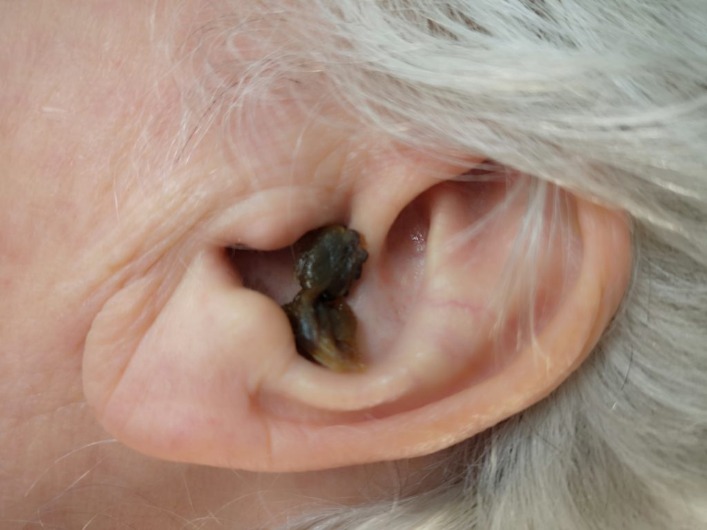
Impacted earwax is a common but frequently overlooked cause of hearing difficulty, discomfort, tinnitus and recurrent ear infections. In an urban and coastal environment like Auckland, factors such as humidity, swimming, use of hearing aids, and personal ear canal anatomy can increase the likelihood of wax buildup. Recognising when home remedies are insufficient is crucial: common attempts like cotton buds, hairpins or ear candles often push wax deeper or cause damage, and they do not remove the underlying problem safely. For residents seeking reliable, local care, a professional assessment by qualified audiologists ensures the correct diagnosis and treatment plan.
Professional removal services offer more than just immediate relief. A clinical ear examination using otoscopy or video-otoscopy allows practitioners to view the ear canal and tympanic membrane, identify concurrent conditions such as otitis externa or perforations, and choose the safest method of removal. This is particularly important for vulnerable groups—children, older adults, people with diabetes or immune compromise, and users of hearing aids—where complications can be more serious. For those searching online, a trusted local resource like Ear Wax Removal Auckland can connect you with registered professionals who follow current guidelines and use evidence-based techniques.
Choosing a skilled clinician reduces the risk of short- and long-term harm. Professionals can also advise on prevention strategies tailored to your lifestyle, such as safe drying after swimming, appropriate hearing aid maintenance, and periodic checks for people prone to recurrent impaction. Emphasising both diagnosis and education, professional care focuses on restoring function while preventing future episodes.
Safe, modern methods and what to expect during treatment
Contemporary ear wax removal is performed using a few well-established, safe techniques. Microsuction is widely regarded as the gold standard in many clinics: under direct visualisation with a microscope or video-otoscope, a gentle suction probe removes wax without introducing water. This method is fast, precise and suitable for most patients, including those with perforated eardrums or recent ear surgery. Microsuction typically causes little discomfort and allows the clinician to stop at any sign of irritation.
Another common approach is controlled irrigation, where warmed saline is gently flushed into the ear canal to dislodge softened wax. When performed by trained clinicians with appropriate equipment, irrigation is effective and safe, but it is not recommended for everyone—people with ear perforations, certain mastoid conditions, or recurrent ear discharge usually require alternative methods. Manual removal using delicate instruments under direct vision is also used when wax is hard-packed or stubborn. Clinicians will choose the option that best suits the ear’s anatomy, the patient’s medical history, and any previous ear issues.
Before treatment you can expect a short assessment: a history of symptoms, a visual examination of the ear canal, and discussion of any medical conditions or medications. Procedures generally take between 10 and 30 minutes depending on complexity. Aftercare advice typically covers signs of infection to watch for, gentle ear hygiene measures and when to return for a follow-up. Clinics staffed by registered audiologists ensure adherence to infection control standards and provide personalised advice for maintaining ear health, particularly for frequent wax producers and hearing aid users.
Case studies and practical advice for long-term ear health
Real-world examples illustrate why professional intervention matters. A seven-year-old presented with sudden difficulty hearing in one ear and repeated ear tugging at school. A video-otoscope revealed a large plug of wax occluding the canal. After microsuction, hearing returned immediately and teaching staff reported improved attention. The family was guided on safe ear care for children and advised regular checks during winter months when upper respiratory infections increase wax production.
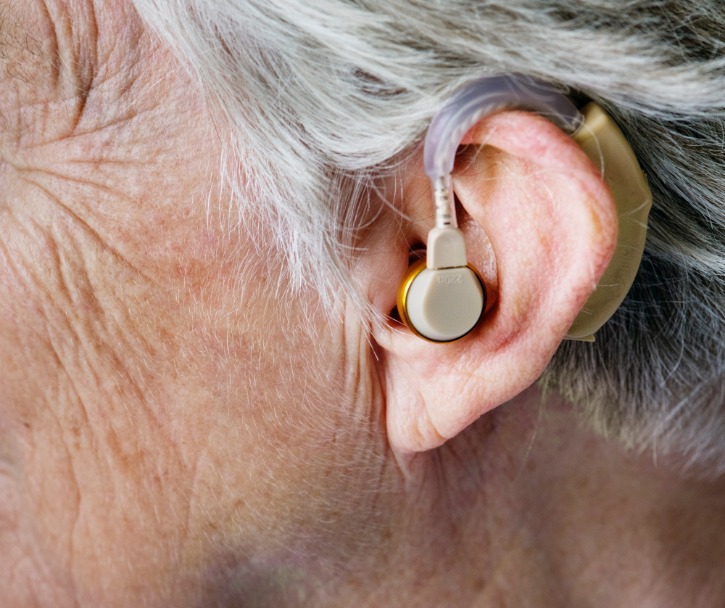
An older adult who used bilateral hearing aids experienced progressive muffled sound and feedback noise. Routine inspection showed wax accumulation around the earmolds and canal occlusion. Following careful manual removal and cleaning of the hearing aid components, the devices functioned normally and the patient avoided unnecessary reprogramming. This case highlights the importance of combining wax removal with hearing aid maintenance and scheduling routine reviews for device users.
A competitive swimmer with recurrent ear discomfort was found to have inflamed ear canals and wax trapping moisture. A combined approach—professional removal, advice on ear drying techniques, and recommending silicone swim plugs—reduced recurrence. Preventive measures such as avoiding cotton buds, minimising insertion of objects into the ear, and using prescribed drops when indicated can significantly lower the frequency of impaction and infections. For people with repeated problems, periodic professional checks every 6–12 months are often the most effective long-term strategy.
Recognising signs that require professional attention—sudden hearing loss, pain, drainage, persistent tinnitus, or repeated infections—is essential. Simple behavioural changes, informed by clinical guidance, help maintain clear ears and optimal hearing function over time. Using trusted, registered audiologists for assessment ensures both safe treatment and personalised prevention strategies tailored to life in Auckland.