
Reclaiming Independence: The Engineering and Clinical Benefits of the Power Sit to Stand Lift
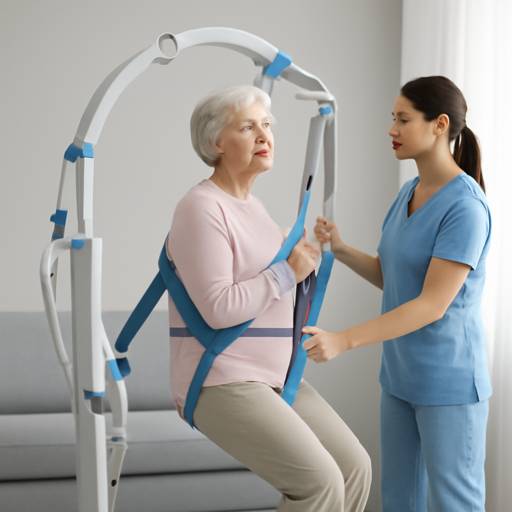
For millions of aging adults and individuals recovering from surgery or living with chronic mobility limitations, the simple act of rising from a seated position can become a monumental challenge. Traditional manual transfers place immense strain on both the patient and the caregiver, often leading to injury, loss of dignity, and a cycle of increased dependence. Enter the power sit to stand lift —a sophisticated piece of medical equipment that bridges the gap between full dependency and independent ambulation. Unlike basic mechanical lifts that require manual cranking or hydraulic pumping, these powered devices use electric motors to gently guide the patient from a seated to a standing posture, allowing them to participate actively in the transfer. This technology is not merely about lifting; it is about preserving functional muscle strength, reducing fall risks, and transforming the caregiving experience. The clinical rationale behind these devices is rooted in the principle of weight-bearing assistance, where the patient contributes their own effort while the machine provides the necessary stability and upward force. Understanding how a power sit to stand lift works, who benefits most, and how proper selection impacts outcomes is essential for healthcare facilities, home care providers, and families seeking to maintain quality of life.
How a Power Sit to Stand Lift Transforms Patient Transfers and Caregiver Safety
The core mechanism of a power sit to stand lift distinguishes it from other patient handling equipment. While a traditional floor lift or full-body sling lift completely suspends a non-weight-bearing patient, the power sit to stand lift is designed for individuals who can bear at least partial weight on their legs and have some upper body strength and trunk control. The device features a padded knee pad that stabilizes the patient’s knees, a footplate for secure footing, and a harness or support vest that wraps around the patient’s back and chest. When activated, the electric actuator raises the lift arm smoothly, guiding the patient through a natural standing motion. The critical advantage here is motorized assistance—the caregiver does not need to manually pump or crank the lift, which eliminates the repetitive strain that commonly leads to back injuries. According to industry data, manual patient handling is a leading cause of workplace injury among nurses and home health aides, with over 50% reporting chronic pain. By integrating a power mechanism, caregivers can focus on guiding the patient’s posture and ensuring stability rather than exerting physical force. Furthermore, these lifts often include programmable height settings and variable speed controls, allowing the transfer to be tailored to the patient’s comfort level and cognitive status. For example, a patient with Parkinson’s disease who experiences freezing episodes may benefit from a slower, more deliberate lift, while a post-operative hip replacement patient might require a specific angle of ascent to avoid joint stress. The versatility of a power sit to stand lift also extends to its mobility: most units are mounted on locking casters, enabling easy movement between a bed, wheelchair, or commode. This adaptability reduces the number of transfers the patient must endure, thereby lowering overall fatigue and anxiety. Ultimately, the engineering behind these lifts addresses two simultaneous goals: empowering the patient to maintain upright posture and muscle engagement, while protecting the caregiver’s long-term physical health.
Clinical Indications and Patient Selection for Optimal Outcomes
Not every patient is a candidate for a power sit to stand lift. Clinical guidelines emphasize that the patient must be able to bear weight through their lower extremities and maintain at least moderate trunk stability. Typical candidates include individuals recovering from knee or hip arthroplasty, patients with lower extremity weakness due to neurological conditions like multiple sclerosis or incomplete spinal cord injury, and older adults who have lost confidence in standing but still possess adequate leg strength. The lift should not be used for patients who are completely non-weight-bearing, have severe contractures of the hips or knees, or present with aggressive behaviors that could cause sudden movement during transfer. In skilled nursing facilities and rehabilitation centers, the introduction of a power sit to stand lift often correlates with faster functional gains. A case study from a Midwest rehabilitation hospital tracked 30 patients transitioning from a manual two-person assist to a powered sit-to-stand protocol. Results showed a 28% reduction in transfer time and a 40% decrease in patient-reported discomfort. Therapists noted that patients regained standing tolerance more quickly because the lift allowed them to practice the motion repeatedly without fear of falling. Moreover, the psychological benefit of active participation cannot be overstated. When a patient feels they are “helping” the lift by engaging their legs and core, it reinforces a sense of agency. This contrasts sharply with full-body sling lifts, where the patient is completely passive, which can accelerate muscle atrophy and learned helplessness. Another real-world application involves bariatric patients: specialized high-capacity power sit to stand lifts support individuals up to 600 pounds, using heavy-duty actuators and wider base designs. These units prevent caregiver injury during transfers that would otherwise require four or more staff members. Finally, home health agencies increasingly recommend these lifts to reduce the need for round-the-clock caregiving, as a single trained family member can manage transfers safely. The key is thorough assessment by a physical therapist or occupational therapist to determine the appropriate lift model and accessories, such as padded leg supports or lateral stability straps.
Comparing Powered vs. Manual Sit-to-Stand Lifts: Technology, Cost, and Usability
While manual sit-to-stand lifts have been the standard for decades, the shift toward powered versions represents a significant leap in both convenience and clinical outcomes. Manual lifts rely on a hydraulic or mechanical hand pump to raise the patient. This process requires the caregiver to generate repeated pumping motions, which can be exhausting over multiple transfers and may lead to inconsistent lifting speeds. In contrast, a power sit to stand lift uses a rechargeable battery and electric actuator, offering smooth, controlled motion at the touch of a button. The difference is especially pronounced in long-term care settings where a single lift might be used for 15 to 20 transfers per day. Caregivers report substantially less fatigue and lower rates of musculoskeletal complaints when using powered versions. Cost is a natural consideration: powered lifts typically carry a higher upfront price tag, often ranging from $2,500 to $6,000, compared to $1,200 to $2,500 for manual models. However, the total cost of ownership must factor in caregiver worker’s compensation claims and turnover due to injury. A study from the American Journal of Safe Patient Handling estimated that a single back injury claim averaging $40,000 could be avoided by investing in powered lift technology. Additionally, battery-powered units offer operational flexibility—no need for nearby electrical outlets, and many lifts hold a charge for 20 to 30 full transfers. Maintenance is generally low, involving occasional battery replacement and motor checks. From a usability perspective, powered lifts often include digital displays for weight monitoring and battery status, as well as emergency stop buttons and manual override options in case of power failure. The learning curve for caregivers is also shorter: instead of mastering the rhythm of manual pumping, they simply press and hold a button while stabilizing the patient. Some advanced models even incorporate sensors that detect resistance and automatically adjust the lifting speed—a feature that prevents jerky starts and enhances patient trust. Ultimately, the choice between manual and powered should be guided by the expected intensity of use, the physical capacity of the primary caregiver, and the patient’s cognitive and physical needs. For facilities or homes where transfers are frequent and caregiver safety is paramount, the investment in a power sit to stand lift pays dividends in both human and financial terms.
Case Study: Implementing Power Sit to Stand Lifts in a Skilled Nursing Facility
To illustrate real-world impact, consider the experience of Oak Hills Rehabilitation Center, a 120-bed skilled nursing facility in Florida. In 2022, the facility recorded 14 caregiver injuries related to patient transfers, with an average of 11 lost workdays per incident. The physical therapy director, Dr. Lena Torres, initiated a pilot program replacing ten older manual sit-to-stand lifts with modern power versions. The equipment was sourced from a leading manufacturer known for high-capacity, quiet actuators and intuitive controls. Over a six-month trial, the facility tracked transfer-related injuries, patient satisfaction scores, and the time required to complete a transfer. Injuries dropped to zero among staff using the powered lifts, while patient satisfaction rose by 22% on the quarterly survey concerning “feeling safe during transfers.” Notably, the average transfer time decreased from 4 minutes to 2.5 minutes—a 37% improvement that allowed nursing assistants to spend more time on direct patient care. Dr. Torres also reported that patients with dementia responded better to the slower, more consistent motion of the powered lift compared to the manual pump, which sometimes startled them. The success led to a facility-wide adoption, with an estimated annual savings of $68,000 in avoided injury costs and reduced overtime. This case demonstrates that the clinical and economic value of a power sit to stand lift extends far beyond the device itself—it reshapes the entire care environment, fostering a culture of safety and dignity.



Leave a Reply